
The Great RNA Debate: Will Circular RNA Make Linear mRNA Redundant?
Stability, Durability, and the “Scar-Free” Manufacturing Frontier The clinical triumph of linear mRNA during the pandemic proved that RNA could be a “sprinter”—rapidly deployed and highly effective for transient immune activation. However, as the industry pivots in 2026 toward the chronic management of genetic and autoimmune disorders, a more durable athlete is stepping onto the
Over $10 Billion! mRNA and In Vivo CAR-T Deal Trends in February 2026
In February 2026, the mRNA and cell therapy sectors witnessed a strategic shift toward in vivo applications and more durable RNA constructs. As multinational pharmaceutical companies (MNCs) seek to overcome the logistical hurdles of traditional CAR-T, the spotlight has turned to LNP-mediated delivery and circular RNA (oRNA) platforms. Below is a breakdown of the key
 mRNA
mRNA
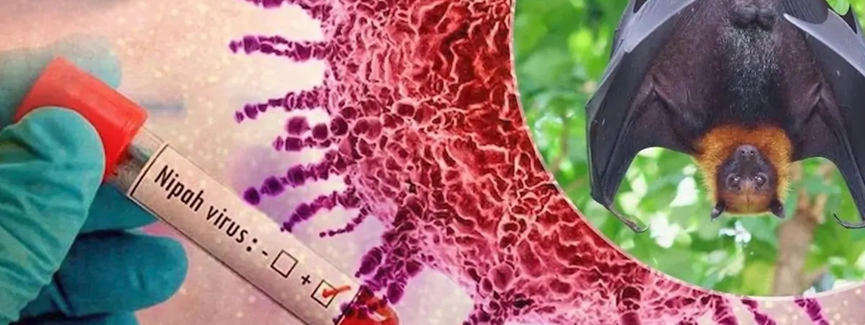
Deadly Nipah Virus Resurfaces: How mRNA Solutions Are Breaking the Vaccine Development Deadlock
In January 2026, a cluster of Nipah virus (NiV) cases emerged in West Bengal, India, resulting in five confirmed infections and nearly a hundred individuals under observation. Neighboring countries have already initiated border screenings, as this “Priority Pathogen” once again sounds the alarm for global public health security. The Deadly Threat of Nipah (NiV) Nipah
 mRNA
mRNA
The Next Frontier: How In Vivo CAR-T Therapy is Rewriting the Cell & Gene Playbook
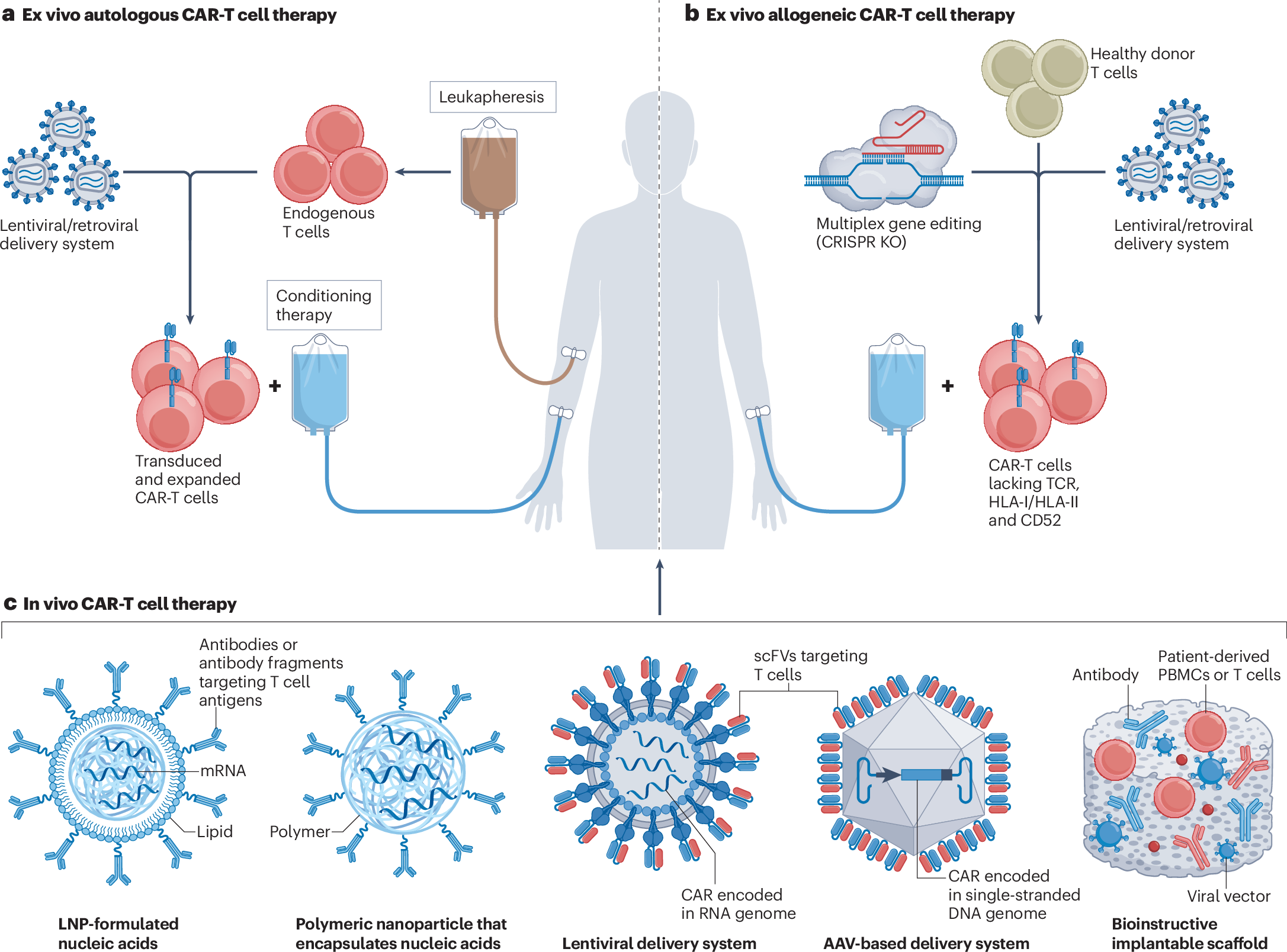
Chimeric Antigen Receptor (CAR) T-cell therapy has already revolutionized the fight against blood cancers, but its current form—a complex, expensive, and time-intensive process that involves extracting a patient’s T cells, shipping them to a lab for engineering (ex vivo), and re-infusing them—has limited access. The logistical hurdles, high cost, and weeks-long wait times represent a
Modified Nucleotides for mRNA Therapeutics: Pseudouridine, m1Ψ, and Beyond
As the field of mRNA therapeutics continues to expand—spanning vaccines, oncology, protein replacement, and gene editing—scientists are constantly optimizing their tools to improve safety, efficacy, and durability. One of the most impactful innovations in this space is the use of modified nucleotides, which play a central role in enhancing mRNA stability, reducing immunogenicity, and increasing
 mRNA
mRNA
The Promise of Self-Amplifying RNA (saRNA): Smaller Doses, Bigger Impact
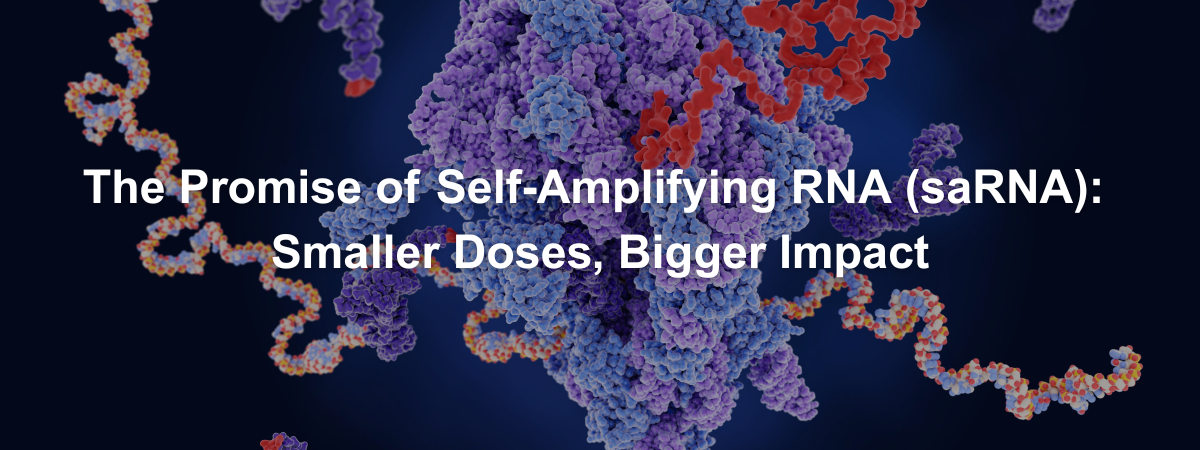
Self-amplifying RNA (saRNA) is gaining momentum as the next frontier in RNA therapeutics and vaccine development. By integrating an RNA replicon system derived from alphaviruses, saRNA enables amplification of the target antigen in vivo, potentially reducing the required dose by 10- to 100-fold compared to conventional mRNA. At Areterna, we support innovators exploring this exciting
Reliable GalNAc Conjugation for Targeted siRNA Delivery
Supporting Innovation from Research to Clinical Manufacturing In the rapidly evolving field of RNA therapeutics, precise and efficient delivery remains a critical challenge—especially for systemic administration. At Areterna, we are helping solve this challenge by providing reliable, scalable GalNAc conjugation solutions that enable targeted siRNA delivery to hepatocytes (liver cells). We offer high-purity GalNAc amidites
 mRNA
mRNA
The Next Era of RNA Therapeutics: Innovations, Challenges, and Opportunities in 2025
As we step into 2025, we have entered the next era of RNA therapeutics. The global biotech and pharmaceutical industries are increasingly integrating mRNA-based medicines and the undeniable potential of RNA into their discovery and development pipelines. While the post-COVID landscape has shifted, it has brought new RNA therapeutic modalities into global focus. Despite challenges
 mRNA
mRNA
Capped and Uncapped Reference Standards for mRNA Capping – Now Available
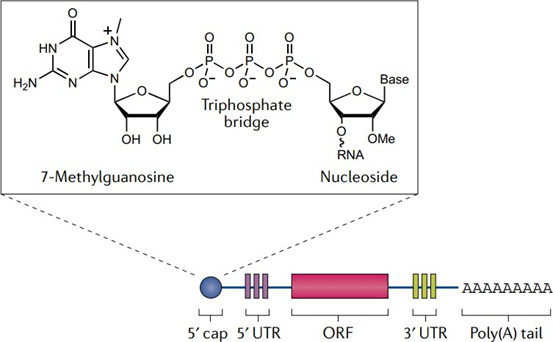
Stay ahead in mRNA research and development with our newly available capped and uncapped reference standards! A linear mRNA molecule primarily consists of five components: the 5′ cap structure (5′ Cap), the 5′ untranslated region (5′ UTR), the open reading frame encoding the protein, the 3′ untranslated region (3′ UTR), and the PolyA tail. Currently,