
 mRNA
mRNA
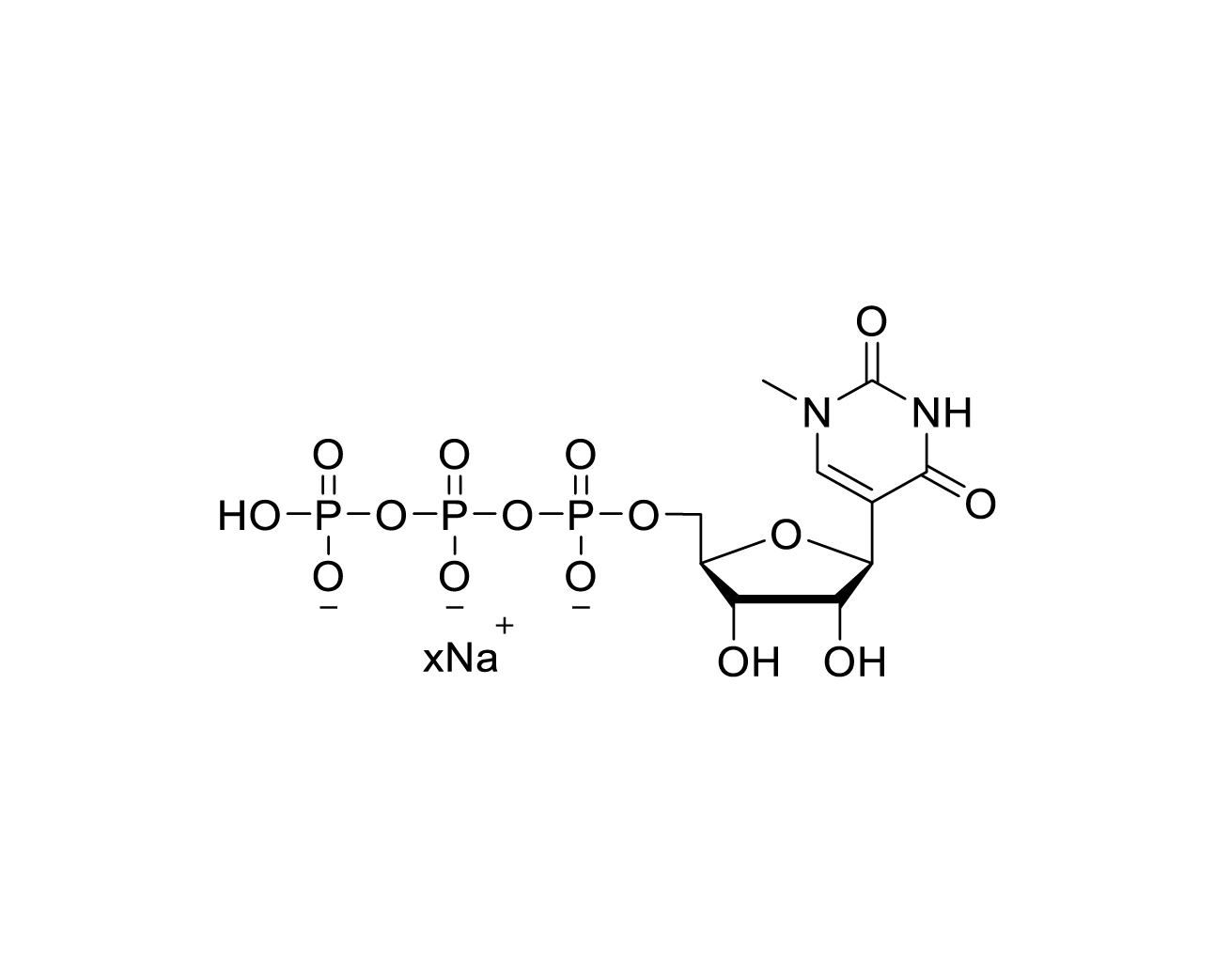
The Multifaceted Role of Modified NTPs in mRNA Synthesis
Introduction Modified nucleoside triphosphates (NTPs) are the master keys that unlock the therapeutic potential of mRNA. By strategically incorporating these chemically modified building blocks during mRNA synthesis, researchers can enhance stability, translation efficiency, and immunogenicity. The ability to have precise control over mRNA paves the way for their widespread application in vaccines, protein replacement therapies,
 mRNA
mRNA
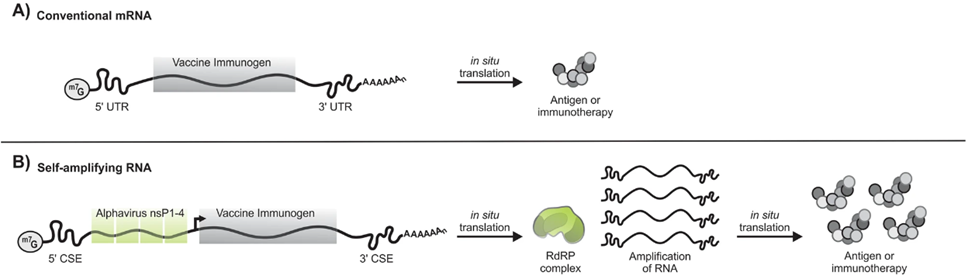
Unlocking the Future of RNA: The Power of Self-Amplifying RNA (saRNA)
Introduction The development of mRNA vaccines to fight COVID-19 marked a transformative leap in medicine, showcasing the power of RNA technology to tackle infectious diseases. Despite its groundbreaking success, mRNA has some limitations—such as instability, the need for multiple doses, and strict cold storage conditions. This has sparked interest in the next frontier of RNA
 mRNA
mRNA
mRNA Therapeutics: Overcoming Delivery Challenges with Nanoparticle Delivery Systems
mRNA therapeutics have emerged as a revolutionary force in medicine, riding the wave of success initially generated by mRNA vaccines for COVID-19. However, as the field progresses from vaccines to protein replacement therapies and beyond, it faces distinct hurdles, particularly in the realm of delivery. Challenges of mRNA Drug Development Unlike smaller RNA molecules like
 mRNA
mRNA
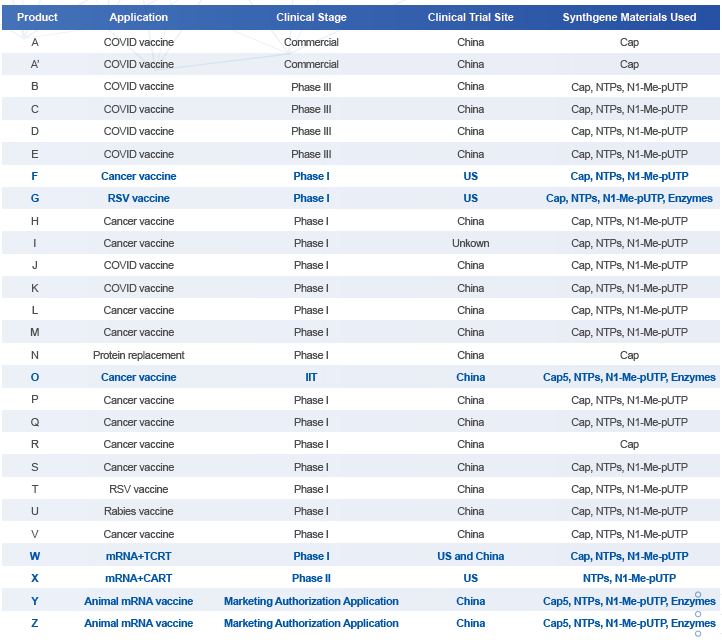
GMP Raw Materials Used in Clinical Trials
Synthgene Biotechnology, Areterna’s parent company, has been a leading producer of GMP-grade cap analogs, NTPs, and modified NTPs for several years, establishing a strong reputation for quality and reliability in the industry. Our raw materials play a crucial role in over 25 clinical mRNA programs, addressing a diverse range of medical needs. These programs include
 mRNA
mRNA
Why Animal-Origin-Free Raw Materials Are Crucial for mRNA Therapeutics
In the intricate realm of mRNA therapeutics manufacturing, the meticulous selection of raw materials plays a pivotal role in ensuring the safety, efficacy, and ethical integrity of the final product. One crucial consideration in this process is the sourcing of animal origin-free raw materials—a practice that not only aligns with regulatory requirements but also safeguards
 mRNA
mRNA
mRNA-LNP Encapsulation Service
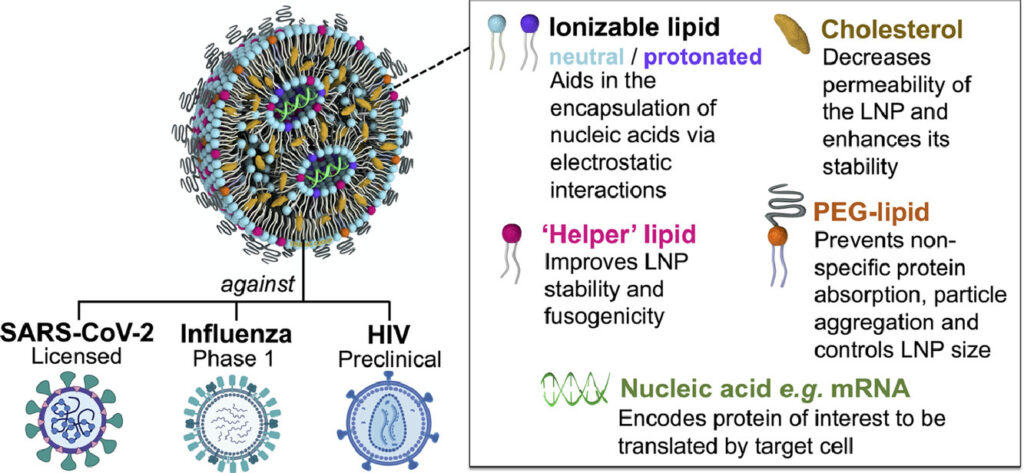
To ensure effective in vivo delivery, mRNA vaccines rely on not only optimized antigen sequences but also a robust delivery system capable of overcoming extracellular barriers, facilitating endosomal escape, and evading intracellular immune responses. Lipid nanoparticles (LNPs) are currently the most widely utilized platform for this purpose. Areterna offers mRNA-LNP encapsulation services at a scale
 mRNA
mRNA
Fluc-eGFP mRNA, Dual-Reporter for Protein Expression
In recent years, mRNA vaccines and drugs have received widespread attention around the world. Areterna LLC is proud to introduce Fluc-eGFP mRNA (Catalog number: 11013-CAP), a cutting-edge tool to accelerate your mRNA research. This mRNA encodes both eGFP and luciferase, facilitating dual-reporter assays and transfection efficiency evaluations.As shown in Figure 1, the optimized design features
 mRNA
mRNA
dsRNA: an unwanted byproduct from mRNA IVT
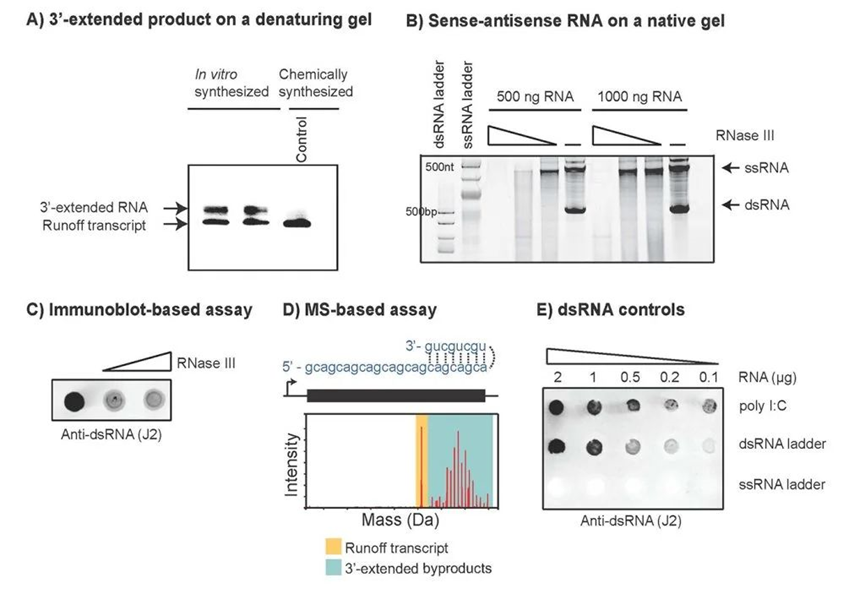
In vitro transcription (IVT) remains the predominant method for large-scale mRNA synthesis due to its efficiency and scalability. However, a significant challenge associated with IVT is the residual double-stranded RNA (dsRNA) produced as a by-product. This dsRNA can activate innate immune signaling pathways through receptors like RIG-1, MDA5, and others, potentially leading to adverse immune
 mRNA
mRNA
Why Co-Transcriptional Capping
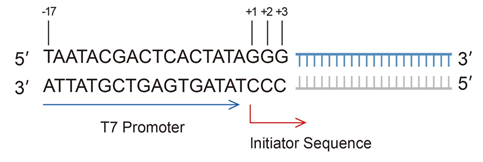
In-vitro transcription (IVT) is a reactor-based scheme to manufacture RNA where cell-derived impurities or adventitious contaminants can be avoided thus making the manufacturing process GMP-friendly. The IVT reaction is often carried out at 37°C for 2 hours. During the IVT reaction, T7 or SP6 RNA polymerase binds to the promoter region of a DNA template and catalyzes the